Empowering Your Journey: Essential Tips for Cancer Care and Prevention
Navigating the turbulent waters of a cancer diagnosis can feel overwhelming. Picture this: One day, life is normal, filled with everyday routines and moments of joy, and then a single word - 'malignant' - turns everything upside down. As panic and uncertainty begin to set in, many are left wondering, 'Where do I go from here?' This journey into oncology is not just about the physical battle against tumors; it's about embracing a holistic approach to cancer care that empowers both patients and their loved ones.
In the realm of cancer care, prevention can often get overshadowed by treatment options. But what if each day offered you a chance to combat cancer proactively? With the right health tips, you can transform personal health into a protective armor against malignant cells. For instance, did you know that engaging in wellness programs focused on fitness and nutrition can significantly lower your risk of developing cancer? It’s these small, actionable steps that can put you in the driver's seat of your health journey, sparking a sense of control in the face of uncertainty.
Coping strategies play a pivotal role during the cancer experience. Individuals often find solace in community support, joining local groups or online forums dedicated to patient support. Such advocacy not only nurtures friendships but also serves as a treasure trove of cancer education. By sharing stories and insights, you can foster an environment of empowerment. As Maya Angelou said, "I can be changed by what happens to me. But I refuse to be reduced by it." This sentiment rings especially true in the world of survivorship, reminding us to embrace our identities beyond the diagnosis.
The conversation around cancer resources is booming, with more individuals seeking information about clinical trials and alternative therapies. It’s essential to equip yourself with knowledge, whether you're discussing palliative care options or diving into research studies. Knowledge is not only power but also a lifeline. Many turn to medical blogs to stay informed about the latest developments in cancer treatment options and holistic health strategies. This thirst for information can be the beacon of hope that guides you through the fog of uncertainty.
Ultimately, living with cancer should not define you but rather fuel your advocacy journey. Seek and offer psychological support, whether to fellow patients or caretakers. Open the dialogue about cancer awareness and create a supportive network. As you navigate this challenging path, remember that hope can emerge from the darkest valleys. Each step, whether it’s managing side effects through proactive health care or engaging in community activities, brings you closer to a healthier and more empowered version of yourself. What will your first step be?
From Tumor to Triumph: Your Guide to Wellness and Advocacy
Cancer is a journey that many have found themselves on, and while it often feels daunting and lonely, it also brings out a remarkable strength within us. The transition from being diagnosed with a tumor to embracing triumph and wellness can feel like climbing a mountain. Yet, with the right tools, knowledge, and support, anyone can reach the summit of survivorship. This guide aims to provide essential tips for cancer care, intertwining personal health, fitness, nutrition, and advocacy into a holistic approach. Are you ready to take control of your health journey?
Understanding the complexities of oncology can often feel overwhelming, especially with terms like malignant and benign bombarding patients and loved ones. It’s easy to get lost in the maze of cancer treatment options, clinical trials, and healthcare jargon. But remember, knowledge is power. Engaging with cancer education not only empowers you but can enhance your coping strategies. As the late great writer Maya Angelou said, "I can be changed by what happens to me. But I refuse to be reduced by it." It’s crucial that you embrace your path and seek out quality cancer resources that help transform fear into understanding and advocacy.
Speaking of advocacy, it’s essential to define your own journey and become your own best advocate. Whether you are discussing palliative care options with your doctor or exploring alternative therapies, being vocal about your preferences and needs is vital. Patient advocacy can manifest in many forms—from attending healthcare meetings to connecting with community support groups. Remember, you are not alone in this fight! Engaging with survivor stories—either through local support groups or online medical blogs—can provide you with unique insights and strength from those who have trodden a similar path. Are you ready to share your voice?
Mental well-being is an often overlooked aspect of living with cancer. The psychological support received during treatment can significantly affect one’s quality of life. Building a support network of friends, family, and fellow survivors can be invaluable. Consider participating in wellness programs that promote holistic health, such as yoga, meditation, or even art therapy. Ask yourself: what activities bring you joy and peace? Incorporating these into your routine can lead to richer experiences and greater resilience as you navigate this journey. Let’s make self-care a priority; after all, it’s not just about surviving—it's about thriving!
Achieving optimal health post-diagnosis also relies heavily on nutrition and fitness. Research studies have shown that healthy eating and regular physical activity can contribute positively to recovery and survivorship. Fuel your body with vibrant foods, participate in wellness programs geared toward fitness, and discover what makes your body feel strong. Remember, each small step leads to significant change. What will you do today to invest in your personal health? As you absorb this wealth of information, think about how you can weave these tips into the fabric of your everyday life. Together, we can transform the narrative from fear to empowerment.
Coping with Cancer: Holistic Approaches and Community Resources for Every Journey
Coping with cancer is a journey that affects not just the body but the mind and spirit as well. Anyone touched by this diagnosis knows that it can feel isolating and overwhelming. Amidst the myriad of medical complexities associated with oncology, it’s essential to find an anchor in holistic approaches and community resources. Imagine the warmth of a community that embraces you, offering strength and support as you navigate through the labyrinth of cancer treatment options. Whether you're dealing with a malignant tumor or supporting a loved one, integrating holistic health practices can illuminate the path to well-being.
Have you ever wondered why some patients bounce back and thrive despite their cancer diagnosis? A significant part of the answer lies in the power of community and alternative therapies available. When we empower ourselves with cancer education, the seemingly insurmountable peaks of cancer survivorship become manageable. Wellness programs that prioritize fitness, nutrition, and emotional well-being can equip you with coping strategies to foster resilience. It’s not just about surviving; it’s about living fully and intentionally, perhaps by engaging in advocacy efforts that can further validate your voice and experience during this life-altering journey.
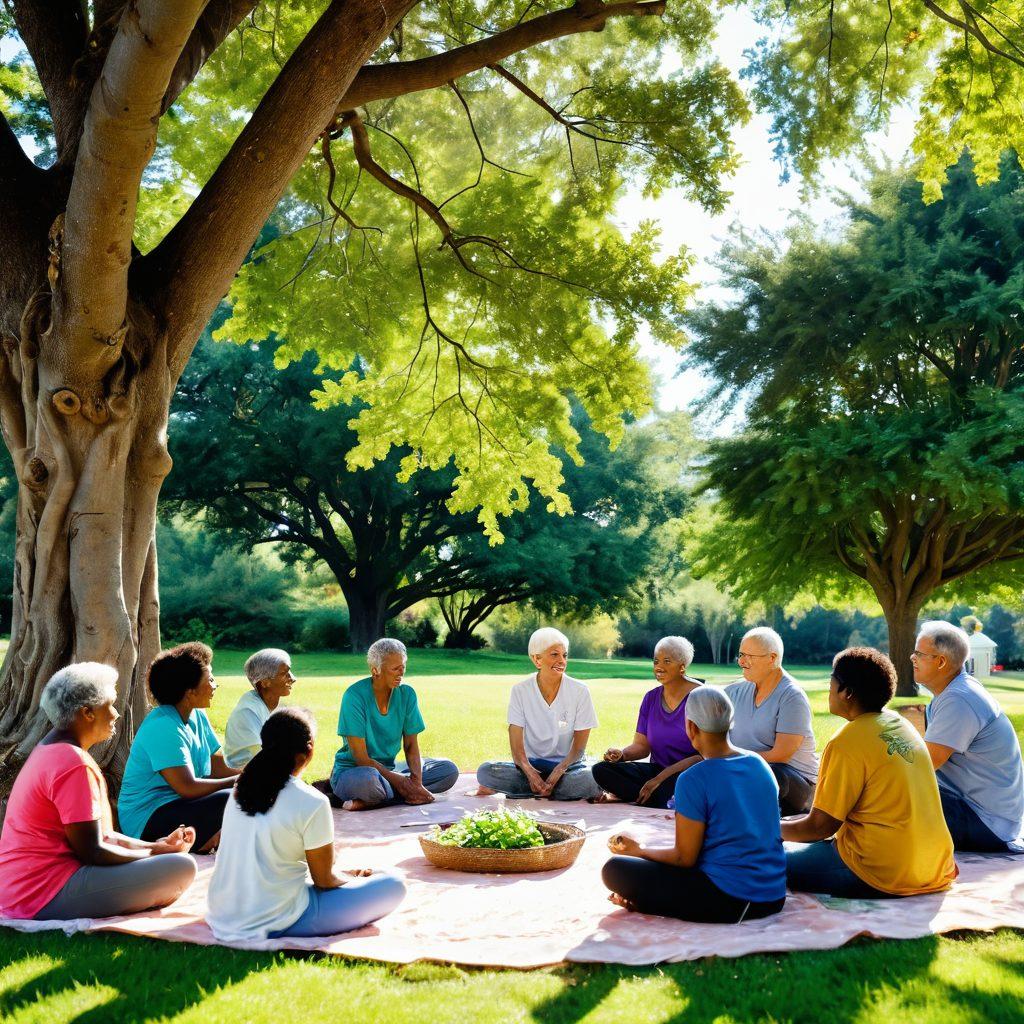
Imagine sitting in a cafe, sharing a cup of tea with a fellow cancer fighter, recounting your journeys and the strength you’ve gained from each battle. This is the essence of community support. Finding cancer resources like local support groups or finding your tribe online can make all the difference. Engaging with others who are on the same journey fosters a sense of connection, a testament to our shared humanity. It reminds us that we are not alone, and that together we can share insights, from healthcare tips to emotional resilience. How powerful would it be to turn to someone who truly understands what you’re going through?
It's vital to approach cancer care holistically. This means looking beyond conventional treatments and considering therapies that nurture the mind, body, and spirit. This can include alternative therapies like acupuncture or meditation that provide psychological support. Each small practice, whether it’s practicing mindfulness or adjusting your diet to emphasize nutrition, can contribute to reducing stress and promoting healing. So, what habits can you incorporate today that can create ripples of well-being throughout your life?
As we continue to learn about cancer through research studies and clinical trials, we must also take charge of our personal health. Patient advocacy is crucial—not only for ourselves but for the greater cancer community. By raising awareness about health tips and providing feedback on healthcare experiences, we play an integral role in bringing about change. Embracing a proactive mindset as we seek alternative therapies, palliative care options, and support allows us to create a richer tapestry of wellness. Together, through understanding, perseverance, and community, we can navigate this journey with grace and strength.